
The first time most people visit a storage facility, they expect a dusty warehouse and a padlock. What they usually find in Dubai is closer to a small office building: a reception desk, security cameras on every corridor, and a staff member who wants your Emirates ID before you go anywhere.
Standards still vary from one provider to the next, though. Before you compare quotes, it helps to have a clear picture of what a professional storage service in Dubai should cover, and which details are easy to miss when you're rushing through the paperwork.
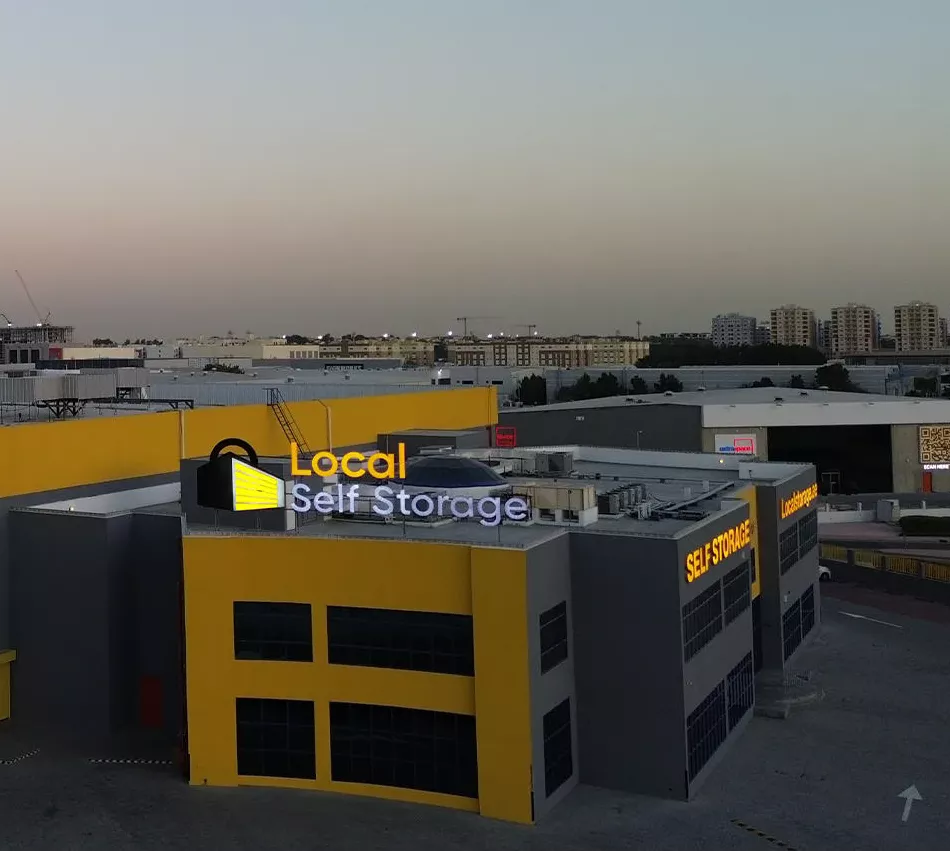
A reputable provider will want to understand what you’re storing before quoting a price. Some send a surveyor to your flat or villa. Others run a video call where you walk them through each room on your phone. Either way, you should leave with a written estimate that lists the unit size, monthly rate, any collection fees, and the minimum term.
Be wary of anyone who gives you a figure over the phone after thirty seconds of conversation. Unit sizing is where overcharging often creeps in. A one-bedroom flat typically fits in roughly 75 to 100 square feet, but that depends heavily on how much furniture you have and how well it’s packed.
Most full-service providers will collect from your home, and many will pack for you as well. If they do, watch how they handle the job. Good crews bring proper materials: double-walled cartons, bubble wrap for glass, mattress bags, wardrobe boxes so your clothes can hang, and blankets for wooden furniture. They’ll dismantle beds and larger tables and bag the screws with a label, which you’ll appreciate in six months’ time.
In Dubai, many buildings only allow moves at certain hours and ask for a move-out permit from building management. A good provider will ask about this when booking and plan the collection around it, rather than turning up to find the service lift locked.
Inventory is the part people skip, and it matters most if anything goes missing or gets damaged. Ask for an itemised list, ideally with photos, signed by both you and the crew before the lorry leaves. Some companies now barcode every box and give you access to an online portal where you can see exactly what’s in storage and request specific items back.
Dubai’s heat changes what a storage facility needs to be. Outdoor temperatures in July and August sit in the mid-40s °C, and an unconditioned metal container can get far hotter inside. Any serious storage company here will offer air-conditioned units, but it’s worth asking follow-up questions. Is the cooling running around the clock, or does it switch off at night? Is humidity monitored? What happens during a power cut?
Security should be layered. You’d normally expect 24-hour CCTV, controlled entry with an access card or PIN, and staff on site during working hours. Fire suppression and regular pest control are worth checking too, especially if you’re storing upholstery, rugs or paper documents. A good facility won’t mind you asking for a quick tour before you commit.
People in this city use storage in very different ways. A family between villas might need three months. A small business owner might want somewhere for stock and archived files for years. A cabin crew member on a short contract might keep a whole flat’s worth of furniture locked away while living in company housing.
Because of that, most providers advertise storage space for rent on monthly terms, with discounts if you pay three, six or twelve months upfront. Read the small print, though. Some quotes exclude VAT, which is 5% in the UAE. Some charge extra each time you ask staff to retrieve a box. Insurance may be included up to a set value, or it may be an add-on priced as a percentage of what your goods are worth.
Check the exit terms as well. Ask how much notice you need to give, whether there’s a penalty for leaving early, and whether the company charges to redeliver your things.
Self-storage customers usually get their own key or code and can visit whenever the facility is open, which in some places means seven days a week with extended evening hours. Full-service customers generally book a retrieval in advance, often 24 to 48 hours ahead, and the company brings the items to a viewing area or delivers them to your door.
If you think you’ll need things back regularly (seasonal clothes, business samples, the Christmas decorations), tell the provider at the start. They can place those boxes near the front rather than at the back of a stacked crate.
A few things should make you hesitate. No trade license displayed or available on request. Prices that are far below everyone else’s. Vague answers about insurance. Staff who can’t tell you whether the units are cooled overnight. And reviews that mention damaged furniture with no response from the company. Any of these on its own might have an explanation, but if you spot two or three, keep looking.
Choosing a storage service in Dubai is less about the cheapest monthly rate and more about knowing what you’re getting. Ask for a proper survey, insist on a signed inventory, check how the units are cooled, and read every line of the contract before paying. A provider that answers those questions clearly, without hesitation, is usually one you can trust with your things for as long as you need.